
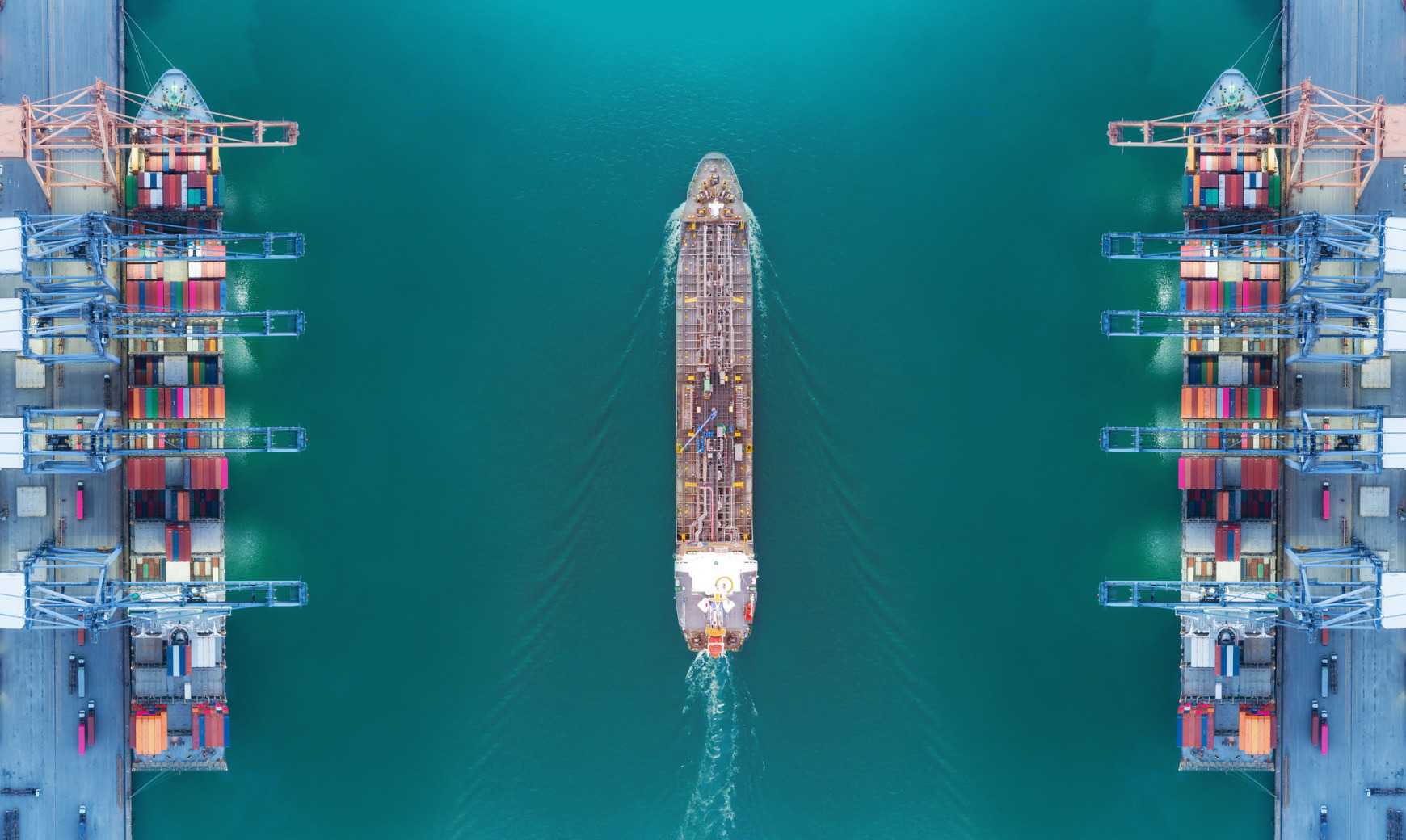
The US trade representative announced more than 75 new trade investigations this month in an effort to create a new tariff framework after the Supreme Court struck down prior duties, but uncertainty remains about the fate of existing agreements with trading partners and the potential for higher costs for importers.
With the administration’s 10% global tariff system under Section 122 set to expire in late July, attention has shifted to what happens next. Zack Hadzismajlovic, head of McCarter & English’s Global Trade practice, told Law360 that importers may see new Section 301 tariffs tied to these announced investigations as early as the late July. Depending on the outcome, he said that businesses could face even higher tariff rates than those that were imposed under the IEEPA.
Regarding the future of Section 310 tariffs, Zack expects legal challenges but said the success of those efforts will prove far more difficult. “I think so long as the government goes through the motions of what’s required, [such as] the notice and comment period, so long as they go through that, courts will let it stand,” he said.
With the increase in administrative burdens associated with new Section 301 tariffs, Zack said there may be an opportunity for the Trump administration to offer some relief to the new duties, such as an exemption process. “The silver lining is there may be an exemption process like there was the first go-around. We’ll see.”