
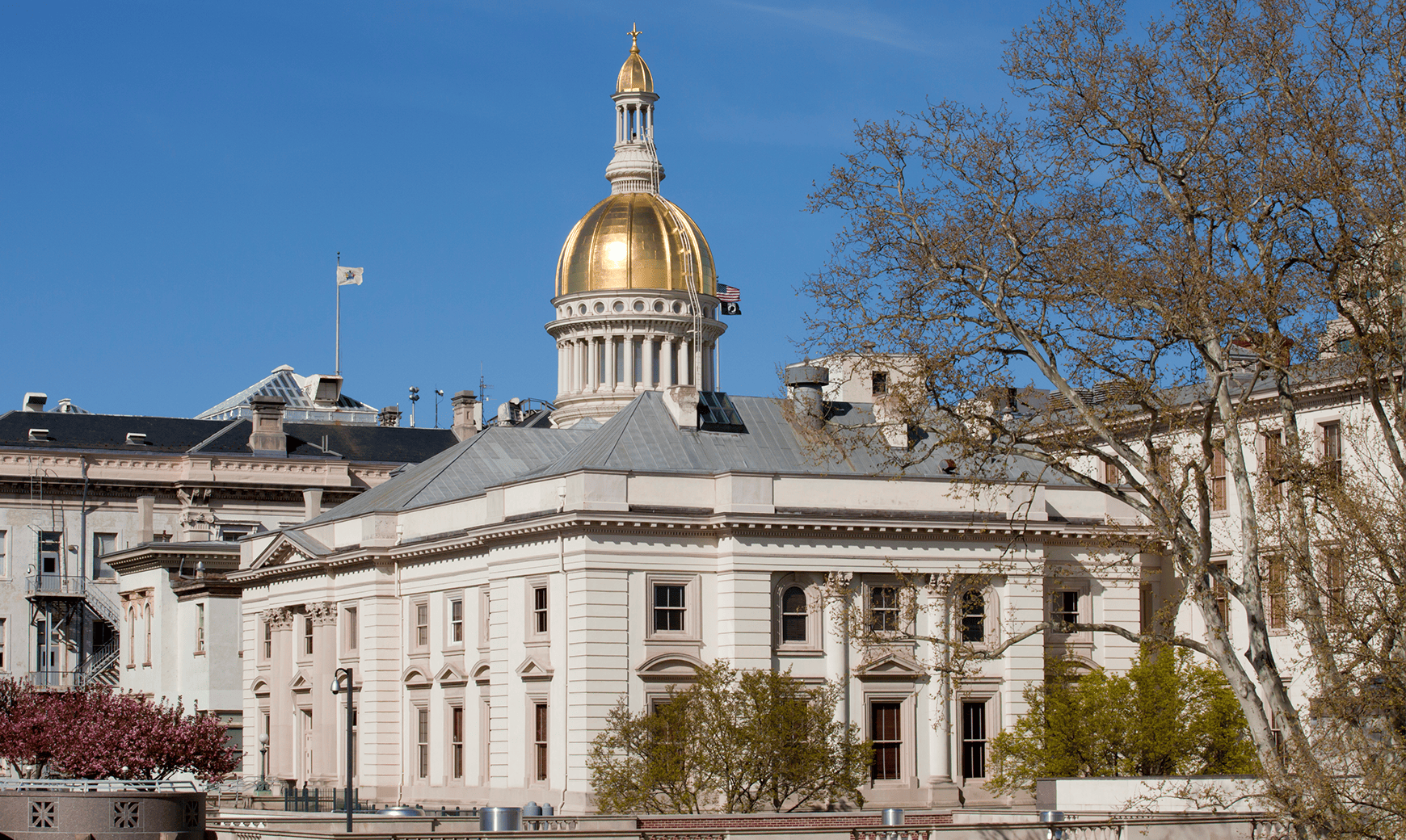
New Jersey has enacted its Fiscal Year 2027 budget, with the Legislature passing a $60.7 billion spending plan ahead of the June 30 constitutional deadline. The budget maintains Governor Mikie Sherrill’s proposed spending level, reduces the state’s structural deficit by roughly half, preserves a surplus exceeding $6 billion, fully funds the state’s $7.3 billion pension payment, and continues significant investments in K–12 education while advancing targeted affordability and fiscal sustainability reforms.
Below is an overview of the budget’s key provisions:
Taxation, Affordability, and Economic Development
The FY 2027 budget prioritizes affordability through property tax relief and targeted family assistance. The budget includes funding for ANCHOR (Affordable New Jersey Communities for Homeowners and Renters), the state’s flagship property tax relief program, while making significant changes to Senior Freeze and Stay NJ. The income eligibility cap for Stay NJ will be lowered from $500,000 to $250,000, and the benefit structure will be tiered. These changes are expected to reduce the program’s annual cost from approximately $1.2 billion to roughly $742 million, placing the program on more sustainable long-term footing.
The budget also expands the state’s Child Tax Credit by 25 percent across all eligible income levels for the next three years.
Business Taxation
Alongside the budget, the Legislature approved several business tax changes. Net Operating Loss (NOL) deductions under the Corporation Business Tax will be capped at $1 million annually, deductions under the alternative business calculation adjustment will be limited, and businesses with 50 or more employees enrolled in Medicaid will pay a new per-employee assessment. Collectively, these measures are projected to generate more than $600 million annually to help reduce the state’s structural deficit.
Education and Mental Health
Education remains one of the largest components of the state budget, with record funding for the school funding formula and K-12 education, $1.4 billion for Preschool Education Aid, and continued investments in higher education initiatives. Additional education investments include $15 million for high-impact tutoring. The budget also continues investments in student mental health, including funding for the Administration’s SPARK initiative to strengthen school-based behavioral health services, and allocates funding for the Office of Youth Online Mental Health Safety and Awareness in the Department of Health.
Healthcare
The budget allocates $7.2 billion for NJ FamilyCare, the state’s Medicaid program, serving more than 1.8 million residents. The Administration also emphasized preserving budget flexibility to respond to potential federal reductions in Medicaid funding, Affordable Care Act subsidies, and food assistance programs. The budget includes more than $100 million to help counties absorb new SNAP administrative costs following federal reductions, as well as funding for food banks and emergency feeding organizations. The budget also continues investments in developmental disability services, programs supporting seniors, and behavioral health services.
Transportation and Housing
The FY 2027 budget continues significant investments in New Jersey’s transportation infrastructure, including support for the State Transportation Trust Fund, NJ TRANSIT, and capital projects aimed at maintaining and modernizing the state’s transportation network.
The budget continues the state’s investment in expanding housing affordability and increasing housing supply. Funding in the budget supports affordable housing initiatives, homelessness prevention programs, and efforts to encourage the development of additional housing units across New Jersey.
Takeaways
The FY 2027 budget establishes Governor Sherrill’s governing priorities early in her first term, emphasizing affordability, fiscal discipline, and long-term structural sustainability. While preserving major investments in education, healthcare, pensions, and property tax relief, the budget also begins addressing New Jersey’s structural deficit through targeted business tax changes and reforms to rapidly growing spending programs. At the same time, significant uncertainty remains regarding potential federal actions affecting Medicaid, SNAP, and other federally supported programs, and the budget provides the Administration with flexibility to respond should additional fiscal pressures emerge later in the fiscal year.
The McCarter Government Affairs team will continue monitoring implementation of the FY 2027 budget, agency guidance, and related legislative and regulatory developments. The team is available to assist clients in evaluating how enacted appropriations and policy changes may affect their operations.