
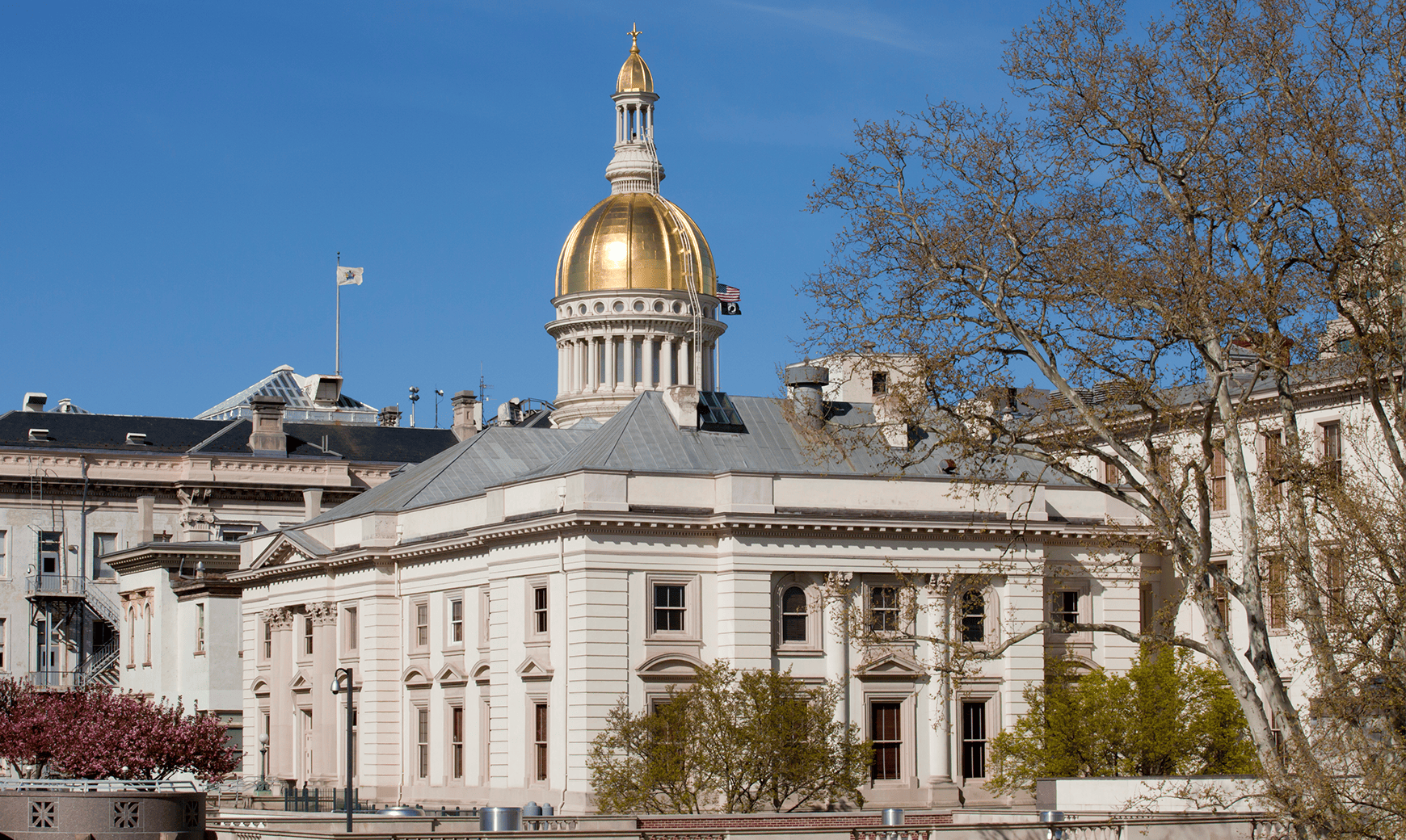
Governor Mikie Sherrill presented her first budget address, outlining a proposed $60.7 billion Fiscal Year 2027 budget for New Jersey. The proposal emphasizes key priorities including affordability, education, youth mental health, veterans’ housing, transportation, energy, and economic development. It also includes measures to improve government efficiency, streamline procurement, and contain healthcare costs. The Governor described the budget as a framework to maintain essential services, manage long-term fiscal challenges, and ensure that state programs remain effective and accessible to all residents.
Key Highlights of the FY2027 Proposed Budget:
Property Tax Relief & Tax Policy Changes
The proposed budget continues the administration’s focus on affordability. The Governor reaffirmed major property tax relief programs, including ANCHOR, the Senior Freeze program, and Stay NJ, which provide relief to homeowners, renters, and seniors. The Governor also proposed tightening Stay NJ, a senior-focused program championed by Assembly Speaker Craig Coughlin, by limiting eligibility to households earning up to $250,000. The administration says this change would significantly reduce the program’s projected cost.
Education & Youth Mental Health
The Governor emphasized education and youth mental health as top priorities. The budget provides $12.4 billion in K-12 formula aid and $1.4 billion in Preschool Education Aid, supporting public education while expanding early childhood access. The administration will continue evaluating the school funding formula to ensure equitable and predictable allocations across districts. To address youth mental health, the budget includes $33 million for the SPARK initiative, expanding services statewide, and $500,000 for a Social Media Research Center to study the impacts of digital platforms on adolescents and support evidence-based policy responses.
Technology & Consumer Protection
Raising concerns over algorithmic and dynamic pricing and consumer data use in housing, retail, and other markets, the Governor signaled support for legislation limiting dynamic pricing practices that charge consumers different rates based on personal data, browsing history, or purchasing patterns. These measures form part of a broader agenda to protect consumers and regulate large technology platforms.
Transportation & Infrastructure
The budget advances major transportation initiatives, including continued support for the Gateway Tunnel project, a critical infrastructure investment expected to create thousands of jobs. NJ Transit service levels will be maintained, with modernization of the state’s aging fleet beginning this year with 40 new rail cars and 250 new buses. The new Portal Bridge, replacing a century-old swing bridge on the Newark–New York line, is expected to reduce delays and improve reliability.
Healthcare Policy
The budget includes measures to reduce strain on public healthcare programs. Large employers with 50 or more employees on Medicaid will be required to provide coverage or pay a fine in an effort to help workers and lower hospital costs. The State Health Benefits Program will undergo reforms to maintain solvency and reduce costs. Additionally, Governor Sherrill highlighted the need for changes targeting Pharmacy Benefit Managers (PBMs) to increase transparency and oversight and to address rising prescription drug costs. PBM reform is expected to remain part of legislative discussions connected to budget priorities and healthcare affordability.
Other Initiatives:
- Veterans Housing & Support Services
- The budget proposes $11 million for the Bringing Veterans Home initiative, expanding housing assistance and supportive services for veterans experiencing or at risk of homelessness to strengthen housing stability and access to services.
- Business Climate & Minority- and Women-Owned Business Enterprise (MWBE) Procurement
- The Governor highlighted initiatives to support businesses and economic growth. The budget proposes reductions in corporate and nonprofit filing fees and expansion of resources at the New Jersey Business Action Center to assist businesses in navigating state programs and regulatory requirements. Additionally, $500,000 is included for MWBE procurement assistance, helping diverse businesses access state contracting opportunities.
- Government Efficiency and Red Tape Reduction
- Governor Sherrill emphasized a commitment to streamlining government, cutting red tape, and improving the efficiency of state operations. The address signaled an administrative priority to make state processes more transparent, user-friendly, and accessible to both residents and businesses.
- Energy & Utility Affordability
- The Governor has declared a State of Emergency to freeze utility rate increases and issued an executive order to expand power generation capacity. Investments in solar, battery storage, and natural gas modernization, along with exploration of new nuclear projects, aim to improve long-term energy supply and reduce costs for residents.
Conclusion
The Governor’s budget proposal kicks off New Jersey’s annual appropriations process. In the coming months, legislative committees will review agency budgets and consider policy priorities. Lawmakers and the Governor will work together to finalize the FY2027 spending plan ahead of the June 30 adoption deadline.
A full budget document will be released soon. The text of the Governor’s budget address may be found here, and the Budget in Brief may be found here.